
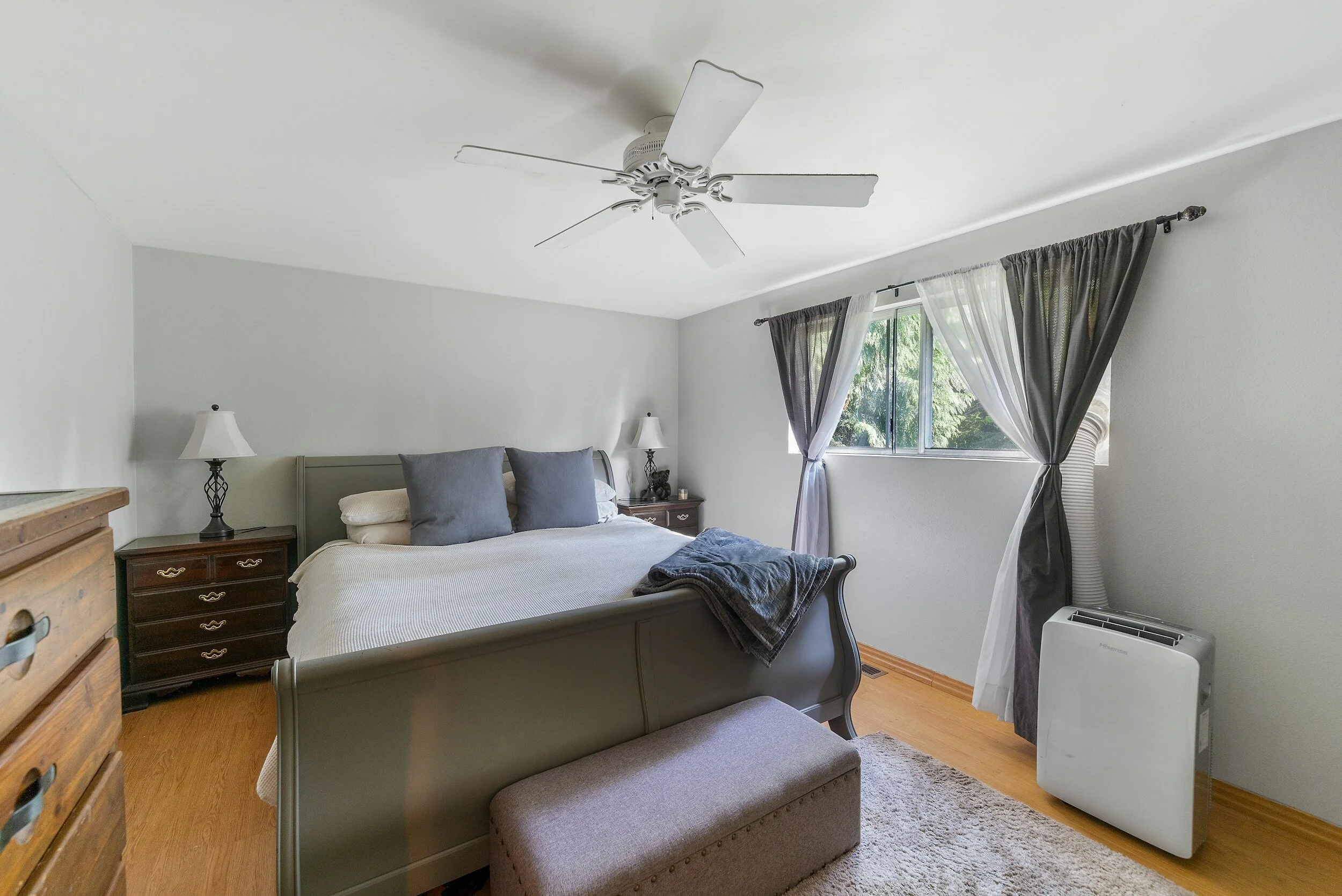
Our region is experiencing more extreme weather events, including longer, hotter and more frequent heatwaves, with less annual rainfall, and more intense storm events. This is coupled with rapid infill development where larger, single home allotments are being cleared and replaced with multiple dwellings and limited garden space.
One challenge is to adapt our exisiting homes and buildings to accomodate for these changes in our climate.
ADAPTING OUR HOMES FOR CLIMATE CHANGE
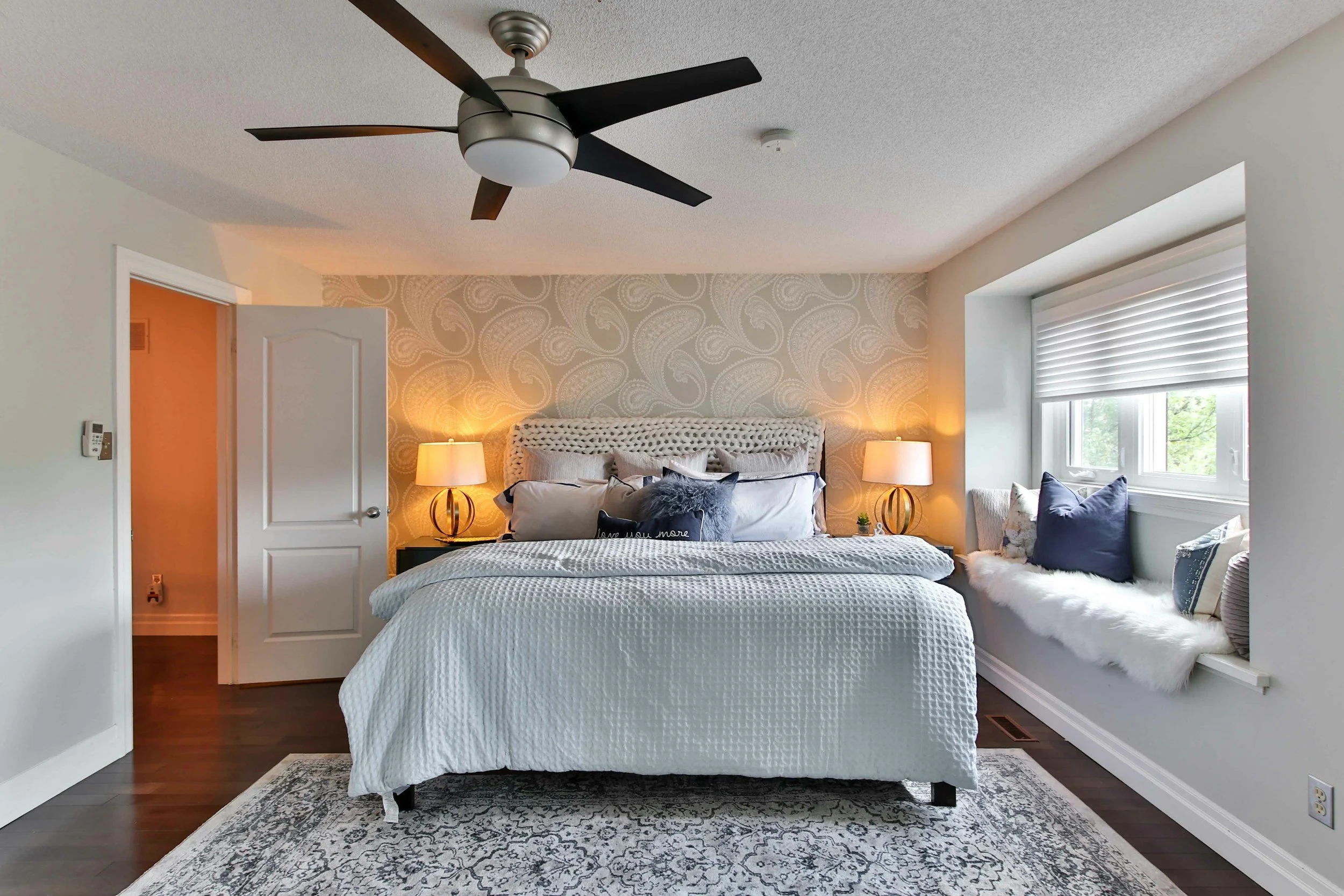
Existing buildings and climate change
Most of our homes and buildings have been designed for past climate conditions. They are typically not built for the changes in our climate we are currently experience, or the climate we will experience in the future.
Existing buildings have had a lot of energy already sunk into their construction and operational life, known as 'embodied energy'. Utilising the resources we already have (through adaptive re-use of our buildings, rather than demolishing and building new) will help reduce the overall environmental impact of our buildings, particularly the embodied carbon emissions associated with construction. Therefore, to respond effectively to climate change, many buildings will need to be retrofitted or refurbished.
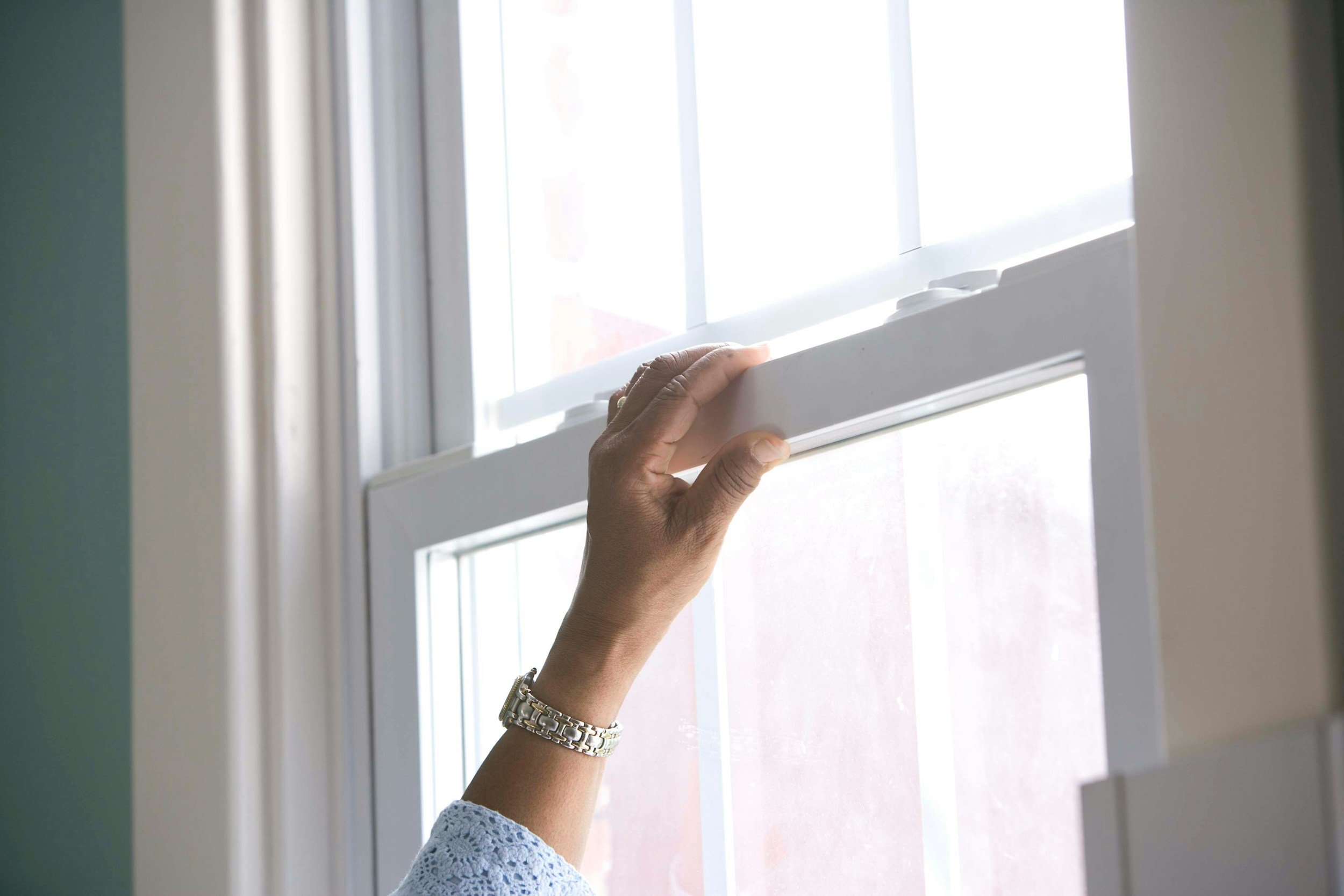
Exisiting buildings and adaptive reuse
We need to adapt our homes and buildings to cope with hotter average temperatures to extend their useful life, while meeting the needs of modern occupants.
Many buildings currently use more energy to cool and heat, than is necessary to maintain comfort. For example, some need to run air conditioning and heating systems almost continuously to maintain a comfortable internal temperature. This is simply because they were never designed to respond appropriately to climate conditions, or they were designed with the assumption that cheap and accessible air conditioning and heating would maintain comfort. However, we know that these costs are increasing and becoming unaffordable, not to mention that using these systems generate harmful greenhouse gases that further contribute to climate change.
WHAT YOU CAN DO
Regardless of your home or budget, there are things you can DIY, or work with an architect / builder to renovate or refurbish.
Here are some tips that can help you save money and make your home more comfortable, while also reducing your overall environmental and carbon footprint.
-
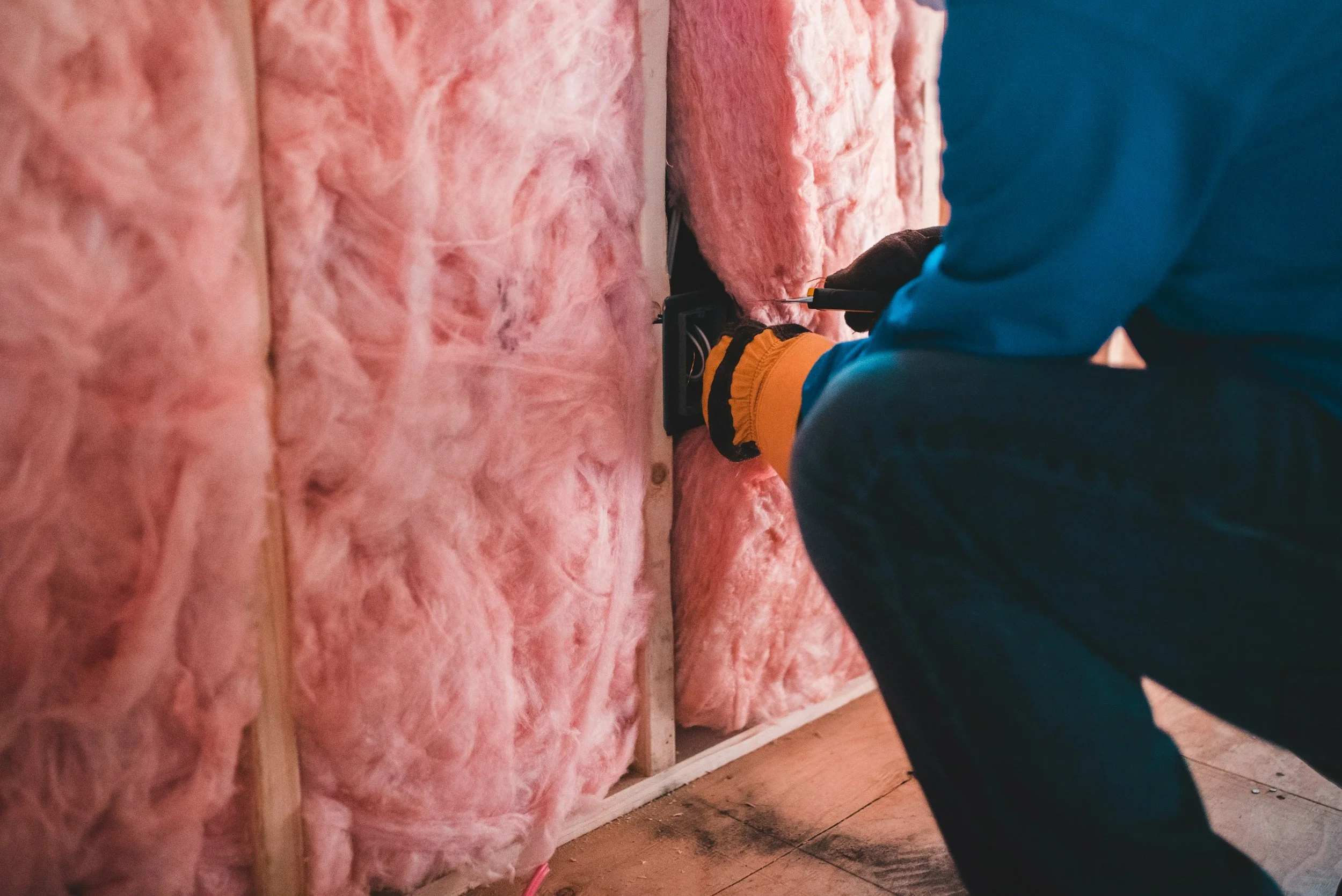
Regardless of the type of insulation you use, it is essential to install it correctly. This means a continuous insulation barrier – you want to minimise, and eliminate where possible, any gaps in the insulation. Any point where there isn’t insulation is an “energy bridge”. This means that energy can travel across the building fabric, bypassing the benefits of the insulation. This leads to higher power bills and decreased comfort.
While addressing ceiling insulation is relatively straight forward, not all existing walls can be easily insulated, such as double brick which is typical of houses built prior to 1970. It is worth contacting an experienced insulation provider to understand the best way to insulate your existing building.
-
Buildings that are “leaky” have numerous gaps and cracks that cause unwanted or uncontrolled ventilation.
This results in undesirable energy gain and loss, uncomfortable drafts, and increased power usage.
Spend time to eliminate as many gaps as possible – around windows and external doors, fixing cracks in walls, around skirting boards, appliances (dishwashers are notorious) and closing unnecessary wall vents.
Much of this can be achieved with off-the-shelf products from a hardware shop. There are also specialist ways that air infiltration can be measured (using what is called a blower door test). This test pressurises the building to escalate and identify points of leakage. It can be useful to benchmark the performance of an existing building and identify an upgrade path to fix unwanted air leaks.
All that said, buildings can be too airtight! Fresh air and controlled ventilation are important for indoor air quality and to prevent the growth of mould and reduce unwanted condensation.
-
Windows form a vital part of the building facade as they provide views, ventilation, and a connection to the outside.
However, windows are essentially a hole in an insulated wall. A wall is much better insulated than a glass window.
Where possible, consider upgrading the windows to double glazed units or other higher-performance glazing treatments.
Of course, not all windows can be upgraded. Heritage concerns to maintain the look and feel of the existing windows are a prime example.
Other options to consider in these circumstances might be installing window film on the existing glass, refurbishing the window units to improve the operation and air tightness, gap sealing around the frame, installing external blinds, or using heavy drapes and pelmets.
-
Historically evaporative air-conditioners were thought to be more efficient than reverse cycle air conditioners - however, this is changing.
Evaporative air conditioning becomes less effective as the climate warms and humidity increases. Evaporative systems can also use a lot of water, bring unwanted air and pollution into the building and be a source of significant heat loss in winter.
Modern reverse cycle air conditioners are an efficient way to cool and heat, with much better temperature control and air quality regulation.
If you have evaporative cooling, it is important to close off vents in winter so that heat is not sucked out of the duct work through a ‘chimney effect’.
As with any air conditioning, it is important to size the unit for the space. Being able to zone areas so that only the occupied space is heated or cooled, rather than the whole building, is important too.
-
The roof of your home can be a significant source of unwanted heat gain in summer.
Ways to minimise this include the use of heat reflective paint or simply painting the roof with white or a lighter shade of paint.
This helps to reduce heat transfer into the building by reflecting heat energy in summer.
While this might not be possible with all building types, it is an important consideration when thinking about refurbishing a building for future climate.
-
Consider upgrading lighting to modern, more efficient units.
As always, it is important to consider lighting that is suitable for the purpose and the intended use of the building. For example, an office will want uniform lighting that allows workers to undertake tasks with minimum strain, whereas a domestic environment might want brighter lights in a bathroom and kitchen, but warmer lights in a living room or bedroom.
-
Renewable energy systems, particularly solar photovoltaic panels, provide a great opportunity to off-set the energy use often inherent in older buildings.
While it may not always be possible to locate solar on a roof (due to historic preservation guidance, over-shadowing by existing vegetation or other buildings), power can be purchased from 100% derived renewable sources.
Home battery technology is also rapidly advancing and reducing in upfront cost. Benefits of batteries including using power you have generated during the day, at night, and with the right system, providing back-up power if there is a power failure.
-
When upgrading bathroom fittings and other sources of water use in the building, always aim for the highest possible water rated (Water Efficiency Labelling Standard - WELS) fixtures.
This will reduce water consumption. Consider installing rainwater tanks, where feasible, and plumb these to the house for non-potable water use, such as toilet flushing or use in the garden for irrigation.
-
The protection of gardens and associated vegetation can conserve the microclimate brought about by existing plantings.
In any building work, paying attention to existing vegetation on-site and minimising the site disturbance through tree protection zones and appropriate liquid waste disposal is essential.
Pay attention to the spaces around the building as these areas can be used for additional planting to help maintain a comfortable outdoor temperature on hot days.
Watering your garden prior to hot weather is the best way to protect your plants and provides a cooling benefit.
Considering installing micro misting systems around outdoor entertaining areas as this can also lower the ambient temperature.
-
While the average rainfall for Adelaide is set to decrease, we will see stronger storms with greater peak rainfall events.
If there is an opportunity to upgrade the roof plumbing and associated downpipes and in-ground drainage, then consider upgrading to a higher capacity system to mitigate against localised flooding.
If you live in a flood prone area, consider the drainage around your home and what can be done to minimise risk. If in doubt consult with your council for advice on what to do.

This project is supported by the Regional Climate Partnerships (Resilient Hills & Coasts, AdaptWest, Resilient South and Resilient East) and Green Adelaide.